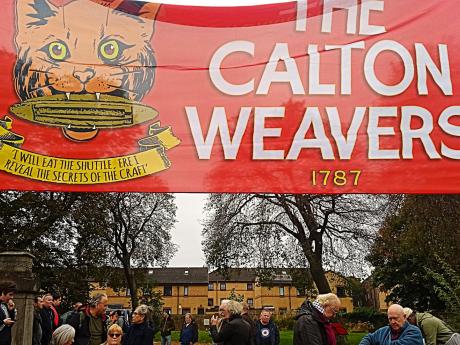
Coal and creativity
A gallery in Durham dedicated to art by and about miners and their community is part of Britain’s cultural legacy. It should be widely known…
Our ruling class has a track record of not protecting Britain’s national interest. One typical episode occurred at the end of the Second World War…
The scramble to acquire the raw materials needed to avert the closure of the Scunthorpe steel plant highlights the folly of successive governments in prioritising imports over domestic production in our vital industries.
Britain has a need for nuclear power and a world leading company, Rolls-Royce, able to provide it. The company – and trade union Unite – wants the government to seize the opportunity.
The scandal-hit Post Office has announced the next stage of its plans for the business. Up to 1,000 jobs may be lost – and the operation of the remaining offices franchised to private companies.
The government has closed a key farming support scheme without notice. On 11 March it announced that the Sustainable Farming Incentive Scheme (SFI) was immediately closed to new applications.
4 April 2025
The idea of conscription keeps returning. The ruling class wants to make the idea acceptable. The defence of Britain is a far wider matter and workers need to ask questions about that.
4 April 2025
The closure of the last two steel blast furnaces in Britain happened at the end of March. This is a disastrous development for British industry and all workers given the fundamental importance of steel.
26 February 2025
NEU members are taking part in a preliminary ballot to ask if they will strike over pay and funding. The union is challenging a below inflation rise in English schools, with no increased funding.
Too often discussion about productivity in Britain is about British workers not working hard enough. But increases in productivity stem from investment, in new plant and machinery and workers’ education and skills.
In the last issue we looked at the background to how regulation operates. Here, we examine not just whether Britain is being held back by too much regulation, but also whether capitalist monopolies can ever be regulated.
Part One of our investigation into the far-reaching consequences of the Grenfell Tower disaster. Nearly eight years after the fire, residents across Britain are still suffering in unsafe buildings and the survivors wait for justice.
The Cass Review into the care of young people questioning their gender identity represents a triumph of a materialist, evidence-based approach over zealotry and dogma.
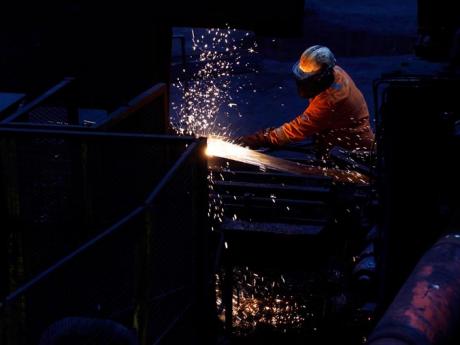
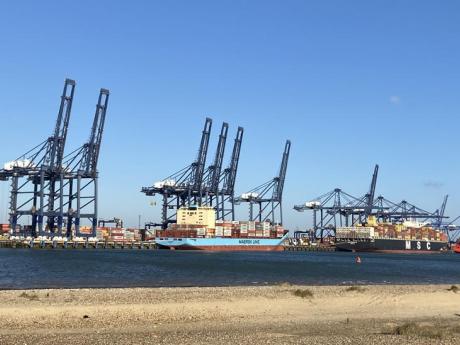
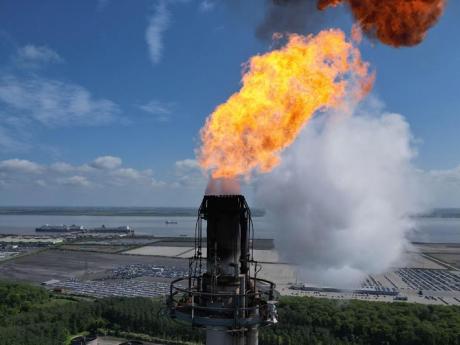
Britain, its workers and industry are intimately connected. But a future for both nation and class depends on getting a grip on the undermining of industry.
The big question raised by the grooming gangs is not that some men, especially in tightly knit communities, might seek to take advantage. It is how on earth such abuse went on for decades.
Three years after Russia invaded Ukraine, and after decades of US meddling in that country, there is no peace in the region. Britain should stay out and focus on the needs of our own country.
Massive migration into Britain is hitting pay, working conditions and vital infrastructure. It is an attack on the working class, and requires a working class response.
Britain has been the preferred hunting ground for US multinationals buying up businesses abroad, leading to a serious loss of independence.
Sixty years ago a bloody coup wiped out the Indonesian communist party, and along with it all the trade unions and peasant associations.
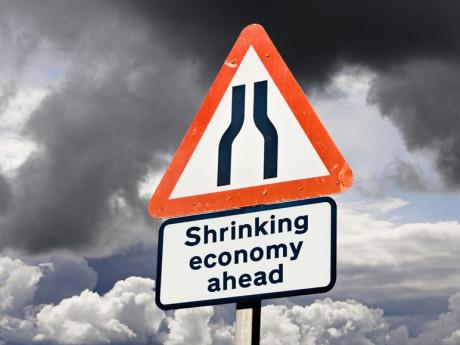
A government with no idea about tackling Britain’s financial problems has latched on to the expansion of the country’s airports as the transport answer to promoting growth. The outcome might not be as positive as promised.
25 February 2025
Steel is a vital product, yet the future of the industry in Britain is continually threatened. Recent moves by the government are an opportunity to change that, as long as it addresses energy costs.
25 February 2025
Farmers are not giving up on their struggle against inheritance tax changes and other attacks on their industry. Thay are organising widespread protests and are now signing up supermarkets to their cause.
25 February 2025
Workers in the arts continue their fight to reverse decades of cuts in government funding. The Arts and Minds Campaign is calling for arts and literature to be restored to the schools core curriculum, and fully funded.
25 February 2025
The government plans to offer a youth mobility scheme for young EU students and workers. This is one of several policy initiatives attempting to realign Britain with the EU.
25 February 2025
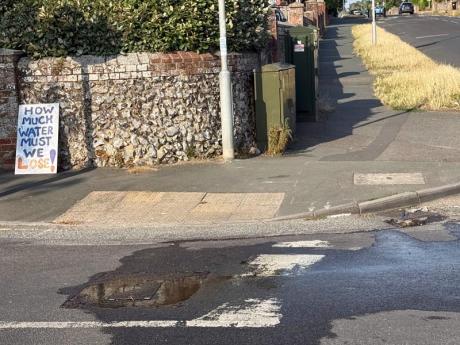
Thames Water continues to be a burden on its customers and the public purse. Its latest financial plan agreed in the High Court drew criticism from water campaigners and trade unions.
25 February 2025
Despite having no power to alter UK immigration policy, Scotland’s First Minister John Swinney has called for a visa scheme to let foreign students work in Scotland after they graduate from a Scottish college or university.
25 February 2025
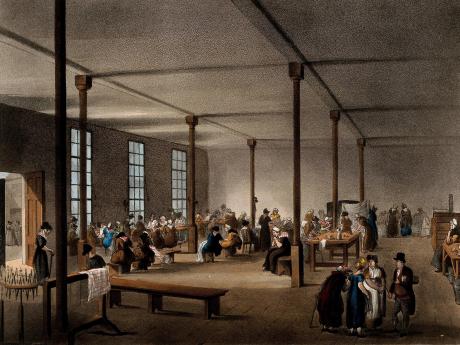
The government has launched yet another review into social care provision. It won’t even report for three years – a disgrace after decades of indecision. The crisis in providing care needs urgent action.
25 February 2025
Rachel Reeves is trying to shield banks from paying compensation for mis-selling car finance. She talks about “growth”, but what we see is disregard for the needs of British people.
25 February 2025
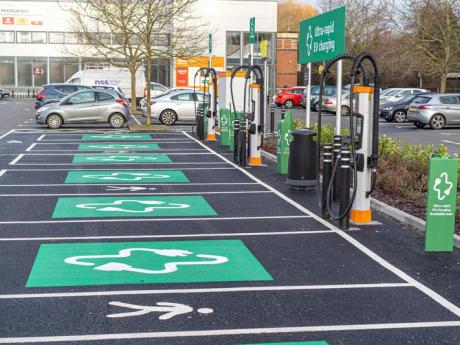
Energy efficiency schemes launched in the name of the drive to net zero are creating health problems. The government has now acknowledged the wide-scale issues after complaints and media reports.
25 February 2025
Workers must be prepared to fight for their own safety, not least in housing. Predictable risks of flooding and fire have been ignored too often.